 Your Basket
Luxury Printing Finishes:
Adding Premium Appeal to Your Marketing Materials
There's something magical about holding a beautifully finished piece of print in your hands. You instantly know it's different, you know it's expensive and you know the brand behind it gives a damn. That's what we're talking about here, and honestly, it's one of the most underestimated tools in your marketing arsenal.
Why Print Still Matters
Everyone’s obsessed with digital, fair enough. But here’s the thing: when was the last time a banner ad made you stop and think about a brand? When did you last text a mate about an Instagram story? Now think about the last time someone handed you a gorgeous business card or a beautifully packaged product. You probably still remember it. You probably told someone about it. That’s the power of print done right.


A Foil Effect Stops People in Their Tracks
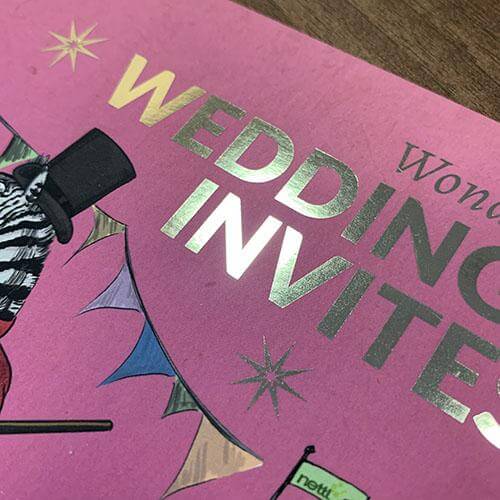
Traditional foil stamping or digital foiling is where luxury really starts.
Foiling adds a real touch of class and it’s that metallic shimmer that catches your eye every single time you look at something. Gold feels warm and classic, silver feels sharp and modern, and copper? Copper feels like you actually understand design trends without trying too hard.
The beauty of foil is that it doesn’t scream, it whispers. When someone picks up your business card and sees that subtle gold detail, they’re not thinking “this is flashy”, they’re thinking “this brand has invested in quality”. That perception shift is worth its weight in gold, literally.
With foiling there are two main production options to consider, each resulting in a different finish. Traditional Foil blocking, (also known as foil stamping) uses a metal die with your image which is pressed onto the paper surface with the coloured foil creating a subtle indented effect. It just oozes class. This method is more suited to larger quantities or where you require an uncoated paper finish.
Digital foil on the other hand is the new modern solution creating a foiled finish without the need of a die. The paper surface must be coated first with a matt or soft touch laminate onto which the foil is then applied using heat. The foil sits on the surface rather than be indented. Being digital it is perfect for very small quantities where you can achieve a premium effect without the high price tag.

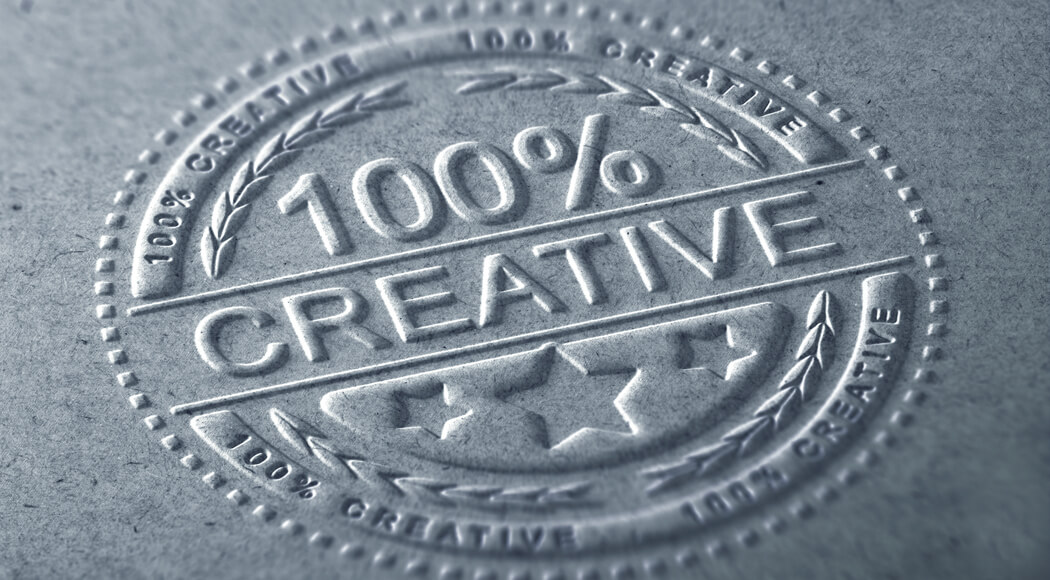
Embossing Brings Your Design to Life
Ever run your finger across a logo and felt it rise up from the paper?
That’s embossing, and it’s criminally underused. It’s the opposite of flat. It’s physical, it’s real and people can’t help but touch it. Debossing does the opposite, pressing the design inward, creating these gorgeous little wells of depth.
Both techniques work brilliantly for high end packaging and prestige marketing collateral. They say, “this isn’t mass produced rubbish”, someone thought about every detail.

Soft Touch laminate: Quiet Luxury
Not everything needs to glitter, sometimes luxury is about restraint. Soft touch laminate feels like touching velvet. It's the finish that luxury perfume bottles and premium cosmetics use because it whispers rather than shouts. High fashion brands have been doing this for years, and frankly, more brands should follow suit.
It also hides fingerprints like nobody's business, which is practical as well as beautiful.
Spot UV Varnishing: Strategic Shine
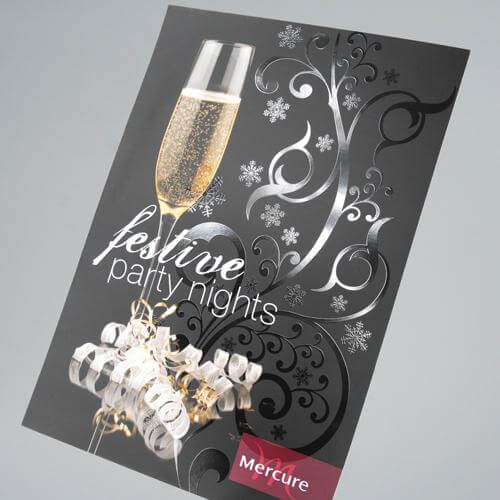
This is where things get clever… You don't have to coat your entire piece in gloss, just the parts that matter. Maybe your logo gets that high shine treatment whilst the body text stays matte? Maybe a single image pops with gloss against a soft background? It's controlled, it's intentional and it makes people lean in to look closer. This is the art of spot UV varnishing.
Letterpress: When Old School Becomes Cool Again
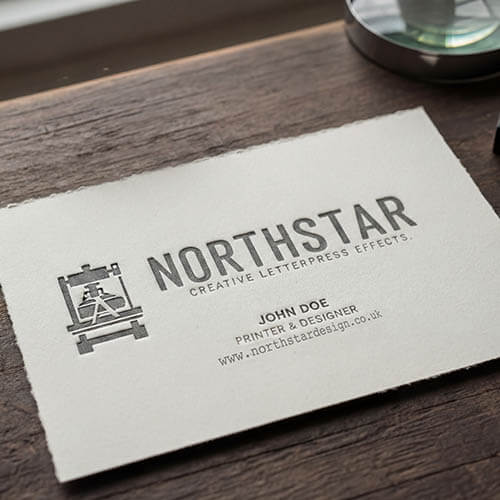
Letterpress isn't trendy because it's retro, it's trendy because it actually means something. Each impression is slightly different, slightly imperfect, and that imperfection is the whole point. It's craft, it's human, it's the opposite of every algorithm that's ever tried to optimise your message.
If you're trying to stand out as something genuine, something made with intention, letterpress does that job beautifully.
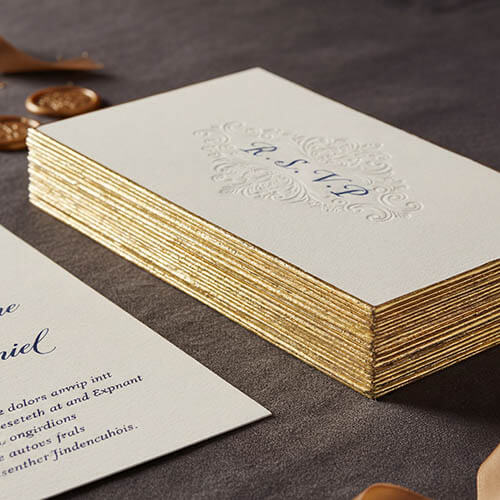
Edges and Details Matter More Than You Think
Painted edges on business cards, gilded corners on packaging, these small touches are where people really notice quality. Your hand runs along that edge and suddenly everything feels precious. These tiny details cost almost nothing to add, but they completely change how people perceive your brand.

Textured Paper: Starting with the Foundation
You don't even need fancy finishing techniques to step up your game, the paper itself matters hugely. Uncoated paper with visible texture, handmade stock and recycled fibres you can actually see and feel, the paper becomes the design.
Making It Strategic, Not Just Pretty
Here’s where we see people go wrong. They add finishes because they look nice on Pinterest mood boards, that’s backwards. Every finish should do something for your brand story, it should reinforce who you are and what you stand for.
A tech company might use an unexpected metallic foil in an unusual colour. A heritage brand might keep things subtle and traditional. A sustainable business might embrace that recycled texture. The finish is part of your narrative.
The Cost Question
Can you afford luxury finishes? Probably more than you think. Strategic use of foil accents, careful paper selection or selective application of embossing, these don’t have to cost a fortune, but they create enormous perceived value. A business card with one foil detail costs almost the same as standard printing, yet lands completely differently.
It's About the Handshake
At the end of the day, printed materials are like a handshake. They’re one of the few moments where your brand is physically present with your customer. Make that moment count, make it feel like you respect their time and make it feel like you’ve thought about the experience they’re having.
That’s what luxury finishes actually do. They say, without saying anything at all, that you care about quality and craft and getting things right.
